Exploring the Power of Billet Magnets: Innovations and Applications in Modern Technology
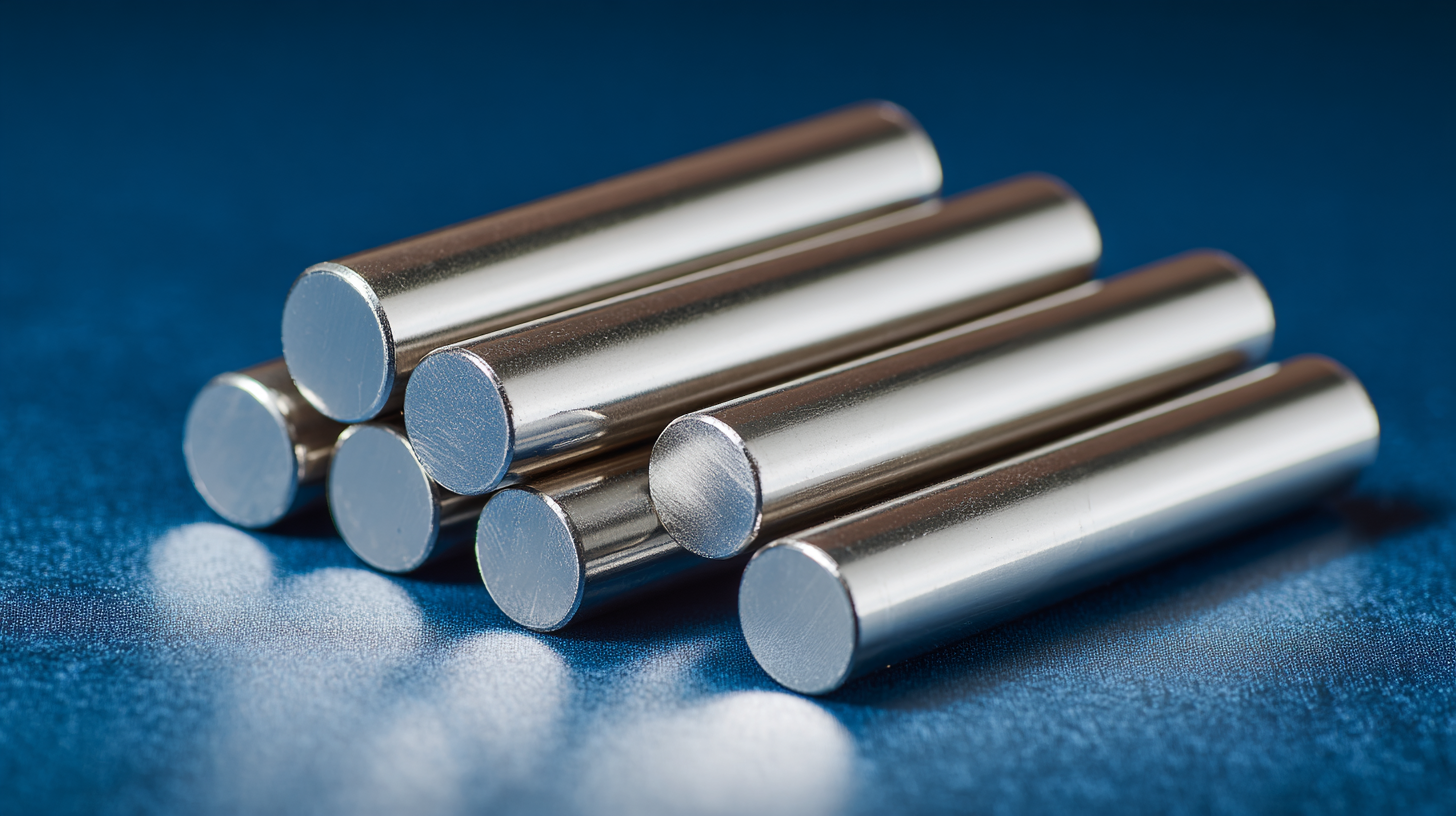
As technology continues to advance, the role of magnets has evolved significantly, particularly with the emergence of Billet Magnets, which are engineered for high performance in various applications. According to a recent market report by Research and Markets, the global magnet market is projected to reach $33 billion by 2025, driven by innovations in materials and manufacturing processes.
Billet Magnets, known for their superior strength and stability, are increasingly being utilized in sectors such as electric vehicles, renewable energy systems, and industrial automation. Their unique properties not only enhance efficiency and reliability but also pave the way for groundbreaking applications in modern technology. This exploration will delve into the innovations surrounding Billet Magnets, shedding light on their transformative impact on numerous industries and their potential to shape the future of technological advancements.
The Evolution of Billet Magnets: A Historical Perspective on Magnetic Technology
The evolution of billet magnets has been a fascinating journey marked by significant technological advancements since their inception. Originally developed in the mid-20th century, these magnets have transitioned from simple forms of magnetic power to critical components in modern technology. According to a report by the International Magnetics Association, the global market for magnets is expected to reach approximately $25 billion by 2025, driven largely by innovations in billet materials and their applications across various industries.
The advancements in billet magnet technology are largely attributed to the refinement of materials such as neodymium and samarium-cobalt. These materials have not only enhanced magnetic strength but also improved thermal stability, making them ideal for high-performance applications like electric vehicles and renewable energy systems. As noted in a study by the American Society of Mechanical Engineers, the efficiency of electric motors utilizing these advanced magnets can increase by up to 30%, showcasing their critical role in energy conservation and efficiency improvements.
Tip: When selecting billet magnets for your projects, consider the specific application requirements like size, strength, and temperature range. Understanding these factors can help optimize performance and longevity. Additionally, keep an eye on industry trends; emerging technologies may soon introduce even more advanced materials to enhance magnet efficiency.
Innovative Manufacturing Techniques: Enhancing Billet Magnet Efficiency and Performance
Billet magnets have emerged as a cornerstone in modern technology, particularly due to innovative manufacturing techniques that significantly enhance their efficiency and performance. Recent advancements in fabrication processes, such as additive manufacturing and precise control over material properties, have resulted in magnets that exhibit superior magnetic strength and thermal stability. Reports indicate that the global demand for high-performance magnets is expected to reach over $35 billion by 2026, creating a competitive landscape that drives further innovation in the sector.
During the recent Copper Conference and Expo, industry leaders discussed how these advancements in billet magnet production are aligning with broader trends in sustainability and resource optimization. Enhanced manufacturing techniques not only improve operational efficiency but also reduce waste, aligning with the industry's goal to create a more sustainable supply chain. For instance, research shows that integrating advanced materials in the production of billet magnets can lead to improvements in magnetic flux density by upwards of 20%. This has significant implications for various applications, from electric vehicles to renewable energy solutions, ensuring that billet magnets will continue to play a pivotal role in shaping the future of technology.

Real-World Applications: Billet Magnets in Renewable Energy Solutions
Billet magnets have emerged as a pivotal component in the renewable energy sector, driving innovations that contribute to sustainable solutions. According to a report by the International Renewable Energy Agency (IRENA), the global renewable energy capacity is expected to reach 2,400 gigawatts by 2025, with advanced magnetic materials playing a crucial role in optimizing energy generation and storage systems. The exceptional magnetic properties of billet magnets enhance the efficiency of wind turbines and solar energy systems, enabling better performance and lower energy losses.
In addition to traditional renewable sources, billet magnets are increasingly important in the development of emerging technologies such as electric vehicles (EVs) and energy storage systems. A study from the U.S. Department of Energy indicates that using high-performance magnets can increase the efficiency of electric motors by up to 15%. This improvement not only leads to enhanced vehicle range but also supports the transition to greener transportation solutions. As industries seek to reduce their carbon footprints, the application of billet magnets is anticipated to grow, positioning them as a cornerstone of future renewable energy developments.
Exploring the Power of Billet Magnets in Renewable Energy Solutions
This chart illustrates the utilization of billet magnets across various renewable energy sectors. The data highlights the significant role that billet magnets play in enhancing the efficiency and effectiveness of modern renewable energy solutions.
The Role of Billet Magnets in Advanced Robotics and Automation Systems
Billet magnets have emerged as a vital component in advanced robotics and automation systems, playing a crucial role in enhancing efficiency and precision. These high-performance magnets, known for their strength and reliability, enable the development of more sophisticated robotic systems that require accurate motion control and manipulation. By integrating billet magnets into robotic actuators, engineers can improve response times and reduce energy consumption, leading to more efficient operations in various industries, from manufacturing to healthcare.
Furthermore, the adaptability of billet magnets allows for innovative designs in automation systems. Their compact form factor and robust nature make them ideal for use in collaborative robots, or cobots, that work alongside human operators. This integration enhances safety by ensuring that the magnets provide a secure grip on tools and components while minimizing the risk of accidents. As technology evolves, the implementation of billet magnets in robotics continues to revolutionize automation processes, paving the way for smarter and more capable machines that can tackle complex tasks in dynamic environments.
Exploring the Power of Billet Magnets: Innovations and Applications in Modern Technology
| Application Area |
Type of Billet Magnet |
Advantages |
Innovative Uses |
| Advanced Robotics |
Neodymium Billet Magnets |
High strength-to-weight ratio |
Robot grasping systems |
| Automation Systems |
Samarium Cobalt Magnets |
Temperature stability |
Sensor applications |
| Material Handling |
Alnico Magnets |
Excellent durability |
Magnetic sweepers |
| Electric Motor Design |
Rare Earth Magnets |
Compact size |
High-efficiency motors |
| Consumer Electronics |
Ferrite Magnets |
Cost-effective |
Loudspeakers and headphones |
Market Trends and Projections: The Future of Billet Magnets in Technology Development
Billet magnets, especially those made from rare earth materials, are poised to play a crucial role in the evolving landscape of modern technology. Recent market analyses projected a slight increase in NdFeB production by 2025, largely driven by the burgeoning demand from sectors such as new energy vehicles (NEVs), home appliances, and robotics. These industries emphasize the significant potential for billet magnets as pivotal components in innovative product designs. With advancements in manufacturing processes and the integration of high-performance magnets into smaller devices, the future looks bright for this sector.
Tips: When exploring billet magnet applications, consider how their size and strength can influence product efficiency. Also, staying abreast of industry trends and market demands can greatly enhance your approach to incorporating these materials in future projects.
Moreover, the recent rare earth industry forum highlights a unified vision among stakeholders to decode global market trends and identify new growth engines for the industrial sector. As industries continue to adapt to technological advancements, billet magnets will likely enhance their competitiveness. Engaging with these dialogues and understanding projections surrounding billet magnet usage can better position businesses for success in the rapidly evolving tech landscape.