What is Lifting Magnets Their Types Applications and Industry Trends
Lifting magnets are essential tools in various industries, facilitating the safe and efficient handling of heavy ferromagnetic materials. With advancements in technology, lifting magnets have evolved significantly, leading to different types designed to meet specific applications. According to a recent market analysis by Grand View Research, the global lifting magnet market is projected to reach USD 1.2 billion by 2025, growing at a compound annual growth rate (CAGR) of 6.5%. This growth is driven by the rising demand for automation in material handling and the increasing adoption of lifting magnets in industries such as construction, manufacturing, and logistics.
As businesses strive to enhance productivity and operational efficiency, the role of lifting magnets has become increasingly vital. Their ability to securely lift heavy loads while minimizing risks of injury or damage to materials makes them a favored choice in environments where safety and efficiency are paramount. The various types of lifting magnets, including permanent, electromagnets, and battery-operated options, cater to diverse applications, each with unique advantages. The continuous innovation in lifting magnet technology shows promise for the future, paving the way for enhanced performance, increased safety standards, and adoption of smart features, aligning with emerging industry trends.
Understanding Lifting Magnets: Key Components and Functions
Lifting magnets are essential tools in various industries for moving ferromagnetic materials safely and efficiently. Comprised of key components such as the magnetic circuit, power source, and control device, these tools function by creating a strong magnetic field that allows them to lift heavy loads without the need for cumbersome chains or slings. According to a market research report by Research and Markets, the global lifting magnet market is projected to grow at a CAGR of 4.5% from 2021 to 2026, driven by the increasing automation in manufacturing processes and the rising demand for safer lifting solutions.
In today's manufacturing environment, understanding the types of lifting magnets is critical for optimal application. There are primarily two categories: permanent lifting magnets and electromagnetic lifting magnets. Permanent magnets are favored for their simplicity and energy efficiency, while electromagnetic variants offer versatility in load handling through adjustable magnetic strength. As companies focus on improving operational efficiency, adopting advanced lifting magnet technologies becomes imperative.
Tip: When choosing a lifting magnet, consider the weight and type of load to ensure compatibility. Regular maintenance checks can also enhance the lifespan and performance of your lifting magnets, reducing overhead costs in the long run.
Exploring Different Types of Lifting Magnets for Industrial Use
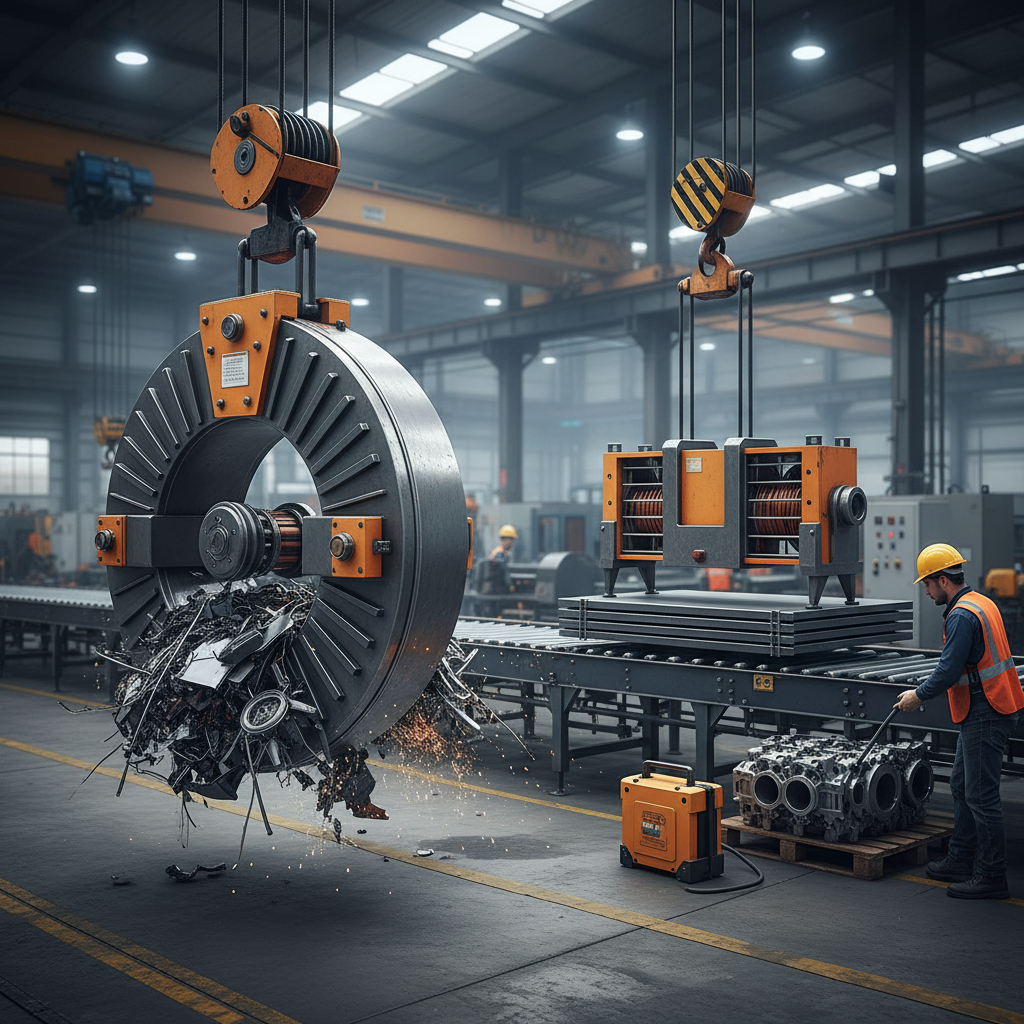
Lifting magnets are essential tools in various industrial applications, designed to efficiently lift and transport heavy ferromagnetic materials. There are several types of lifting magnets, each tailored for specific tasks.
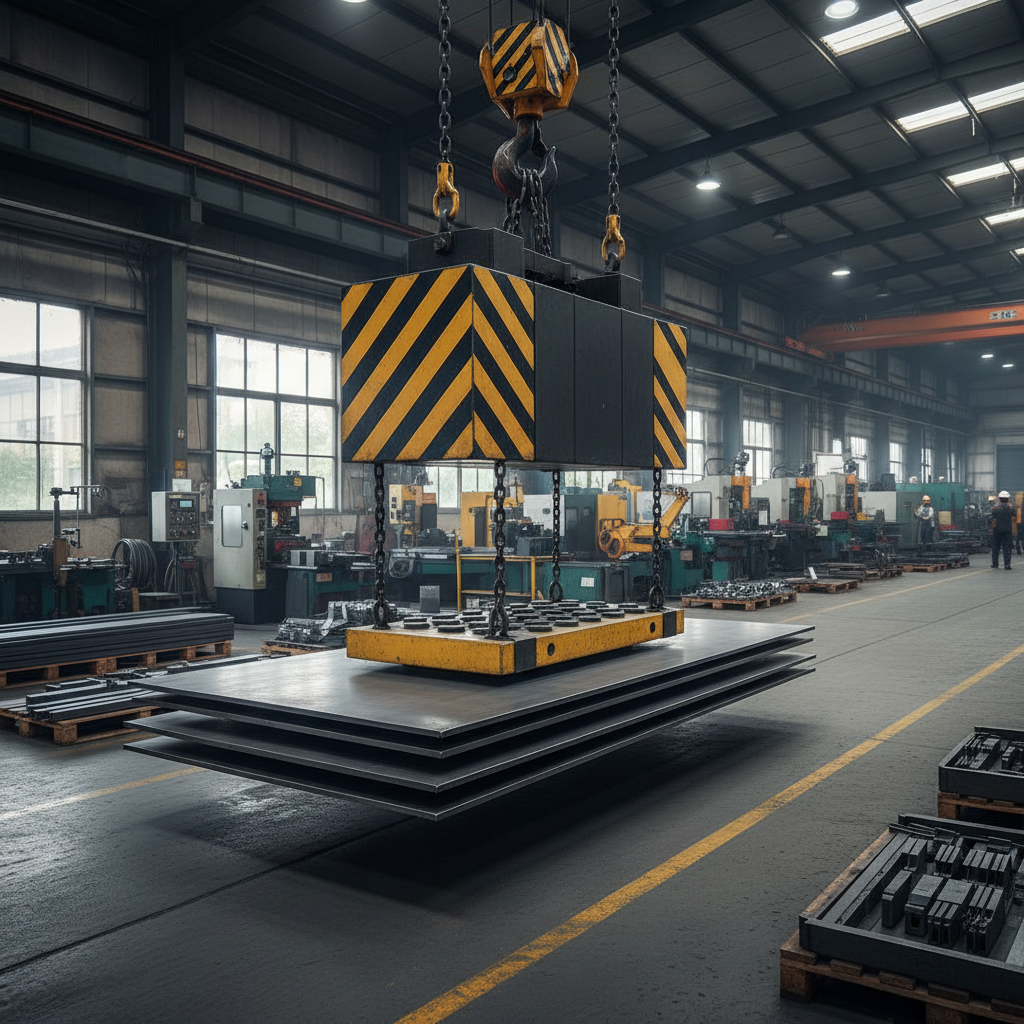
Permanent lifting magnets, for instance, utilize permanent magnets to provide a strong and reliable holding force, making them ideal for routine operations where constant power supply is unnecessary. These magnets are commonly used in warehouses and manufacturing plants for moving steel sheets and product parts.
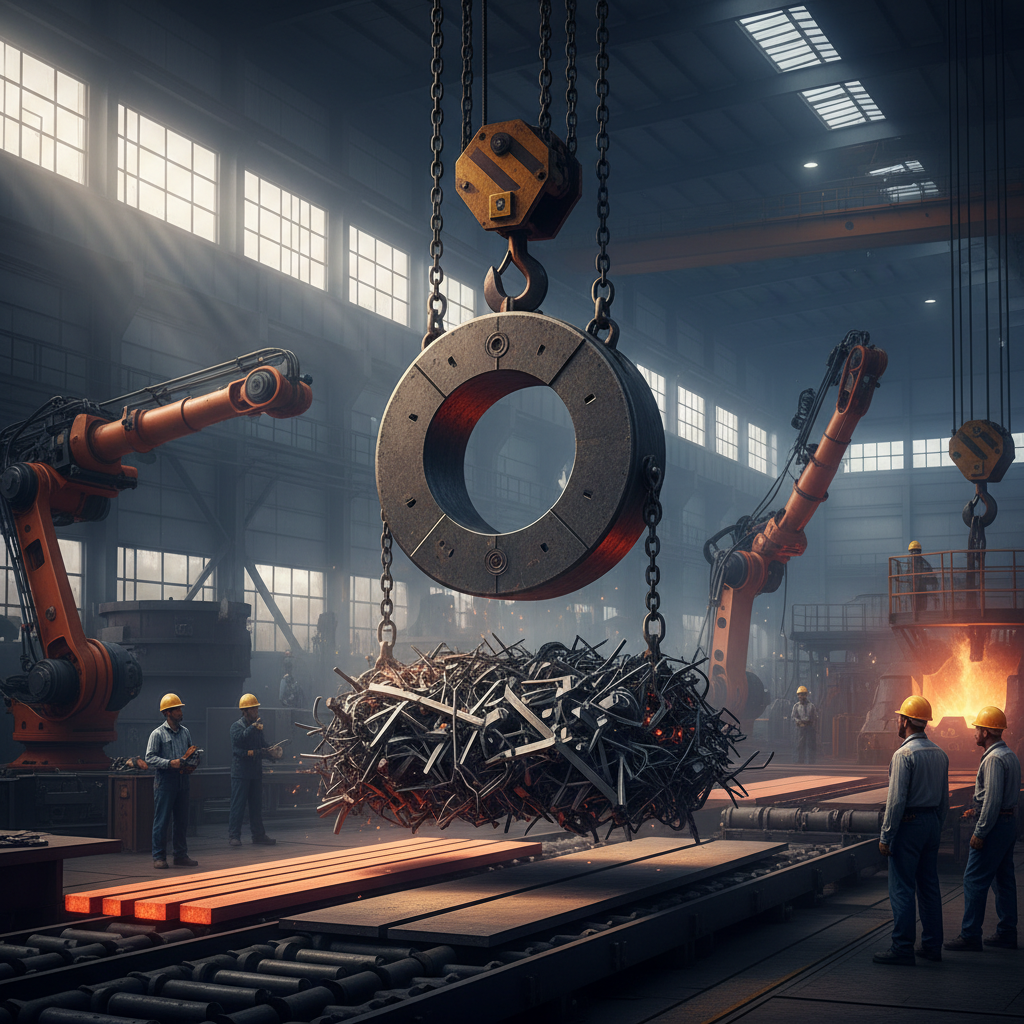
Electromagnetic lifting magnets, on the other hand, operate using electrical energy to generate a magnetic field. This allows for greater control over the holding force, enabling the user to easily turn the magnet on and off as needed. They find application in scrap metal yards and shipyards, where quick and efficient lifting of various metal items is required.
Additionally, in recent years, there has been a growing trend towards the use of battery-powered lifting magnets, which offer the benefit of portability and eliminate the need for continuous electrical connections, further enhancing operational flexibility in diverse industrial settings.
Applications of Lifting Magnets Across Various Industries
Lifting magnets play a pivotal role in various industries, offering efficient solutions for handling heavy materials. The manufacturing sector utilizes these magnets extensively for lifting steel plates, sheets, and structures. This not only streamlines operations but also enhances safety by minimizing the risk of injury associated with manual handling. Moreover, lifting magnets are integral to assembly lines, where they help automate processes, thereby improving productivity and reducing labor costs.
In the construction industry, lifting magnets are invaluable for transporting heavy structural elements like beams and girders. Their ability to lift and maneuver large ferrous materials makes them essential for both on-site assembly and the relocation of materials. Additionally, the recycling industry benefits from lifting magnets, as they assist in the separation of metal waste from non-metallic materials, promoting sustainable practices.
As industries continue to innovate, the application of lifting magnets will undoubtedly expand, adapting to new challenges and enhancing their versatility in material handling.
Current Trends and Innovations in Lifting Magnet Technology
The lifting magnet technology is experiencing transformative innovations and trends that are shaping various industries. Recent advancements include the integration of smart technologies, where lifting magnets are now equipped with sensors and IoT capabilities. This allows for real-time monitoring of weight loads and operational status, enhancing safety and efficiency in industrial applications. Furthermore, the use of advanced materials, such as high-energy neodymium magnets, is improving lifting capabilities while reducing the overall weight of the equipment.
In terms of applications, industries such as construction, manufacturing, and recycling are increasingly relying on lifting magnets for their versatility and effectiveness. The focus on automation is also influencing the design and functionality of lifting magnets, aligning with broader trends in robotics and automated material handling systems. As companies strive for sustainable practices, there is a growing trend toward eco-friendly lifting solutions that minimize energy consumption and environmental impact. The future of lifting magnet technology promises significant breakthroughs that will further enhance operational efficiency and safety across various sectors.
Current Trends in Lifting Magnet Technology
This bar chart represents the distribution of various types of lifting magnets in use across different industries as of 2023. The data indicates the growing preference for permanent magnets due to their efficiency and reduced operational costs.
Safety Standards and Best Practices for Using Lifting Magnets
When working with lifting magnets, adhering to safety standards and best practices is crucial to ensure both the efficiency of operations and the safety of personnel. Operators must be trained and familiar with the specific type of magnet being used, as different magnets have varying load capacities and operational procedures. Regular inspections should be conducted to identify any wear and tear, ensuring that the magnets function correctly and can handle the intended loads without risk of failure.
Proper usage protocols are essential in preventing accidents. This includes verifying the surface compatibility of the load with the lifting magnet, ensuring that the weight does not exceed the magnet's capacity, and confirming a secure attachment before lifting. Additionally, employing safety devices, such as limit switches and safety latches, can provide an extra layer of protection. It's important to establish a comprehensive safety protocol that includes emergency procedures, as well as routine training to keep all staff updated on best practices and any developments in safety regulations related to lifting magnets.
What is Lifting Magnets Their Types Applications and Industry Trends - Safety Standards and Best Practices for Using Lifting Magnets
| Type of Lifting Magnet |
Applications |
Industry Trends |
Safety Standards |
Best Practices |
| Electromagnetic Lifting Magnet |
Heavy steel sheet handling |
Integration with automation & IoT |
OSHA Guidelines |
Regular maintenance checks |
| Permanent Lifting Magnet |
Scrap metal handling |
Increasing energy efficiency |
ISO 9001 Standards |
Proper load evaluation |
| Battery Operated Lifting Magnet |
Construction and demolition sites |
Portable lifting solutions |
ANSI Standards |
Training for operators |
| Electro-Permanent Lifting Magnet |
Transporting various metal parts |
Enhanced safety features |
EN 818-7 Regulations |
Use of safety latches |