Unlocking the Power of Gripper Magnetic Technology: Transforming Industrial Automation with 25% Increased Efficiency
In the rapidly evolving landscape of industrial automation, the integration of advanced technologies is paramount for enhancing efficiency and productivity. One such technology making significant strides is Gripper Magnetic systems, which have demonstrated an impressive 25% increase in operational performance across various sectors. According to a recent report by MarketsandMarkets, the global market for industrial automation is projected to reach USD 295 billion by 2025, a clear indication of the industry's commitment to adopting cutting-edge solutions that can drive substantial improvements.
Gripper Magnetic technology represents a transformative leap in how automated systems handle objects, offering precise control and adaptability within manufacturing environments. By leveraging permanent magnets and innovative gripping mechanisms, these systems excel in tasks such as pick-and-place operations, reducing cycle times and minimizing product damage. A study by the International Federation of Robotics highlights a growing demand for automation solutions, with the number of operational industrial robots increasing by 27% annually between 2017 and 2021. This trend underscores the industry’s urgent need for more efficient systems like Gripper Magnetic technology to meet production demands.
As manufacturers seek to optimize their processes amid rising labor costs and fluctuating market conditions, the implementation of Gripper Magnetic solutions provides a compelling advantage. With their ability to enhance efficiency while streamlining operations, these technologies are set to redefine the benchmarks for performance in industrial automation, driving businesses towards a more productive future.
The Evolution of Gripper Magnetic Technology in Industrial Automation
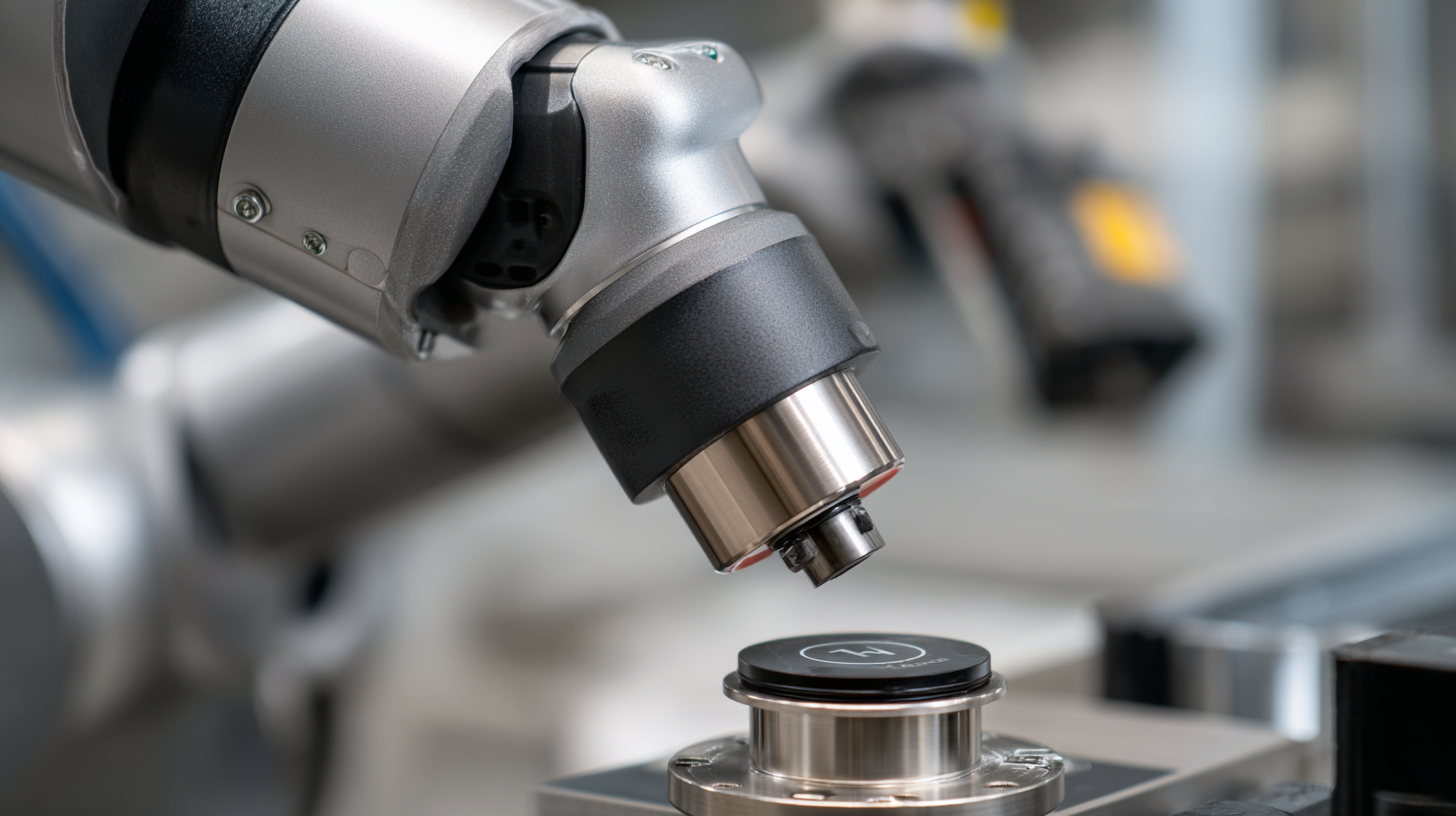
The evolution of gripper magnetic technology has significantly transformed industrial automation. Traditionally, mechanical grippers were the standard in manufacturing processes; however, their limitations in speed and adaptability became increasingly apparent. With the advent of magnetic grippers, industries began to witness a paradigm shift. According to a report by MarketsandMarkets, the global automated material handling market is projected to reach $46.72 billion by 2026, driven by innovations such as magnetic grippers that offer enhanced flexibility and speed in handling various materials.
Magnetic grippers utilize powerful magnets to securely hold items without the need for traditional mechanical components. This not only minimizes wear and tear but also increases cycle times. A recent study indicated that companies integrating magnetic gripper technology into their operations experienced up to a 25% increase in overall efficiency. This boost is attributed to the technology's ability to handle diverse shapes and sizes of objects while maintaining precision, leading to reduced downtime and increased productivity on the factory floor. As industries continue to adopt these advancements, the role of gripper magnetic technology is poised to redefine operational standards across various sectors.
Key Benefits of Enhanced Efficiency: A 25% Performance Boost Explained
The implementation of gripper magnetic technology in industrial automation has unlocked remarkable efficiency gains, with studies indicating a potential 25% increase in performance across various applications. This enhancement comes from the technology's ability to optimize gripping precision and reduce cycle times, which are critical in sectors such as manufacturing and logistics. According to a report from the International Federation of Robotics, approximately 80% of manufacturers recognize that increases in automation efficiency directly correlate with reduced operational costs and improved output rates.
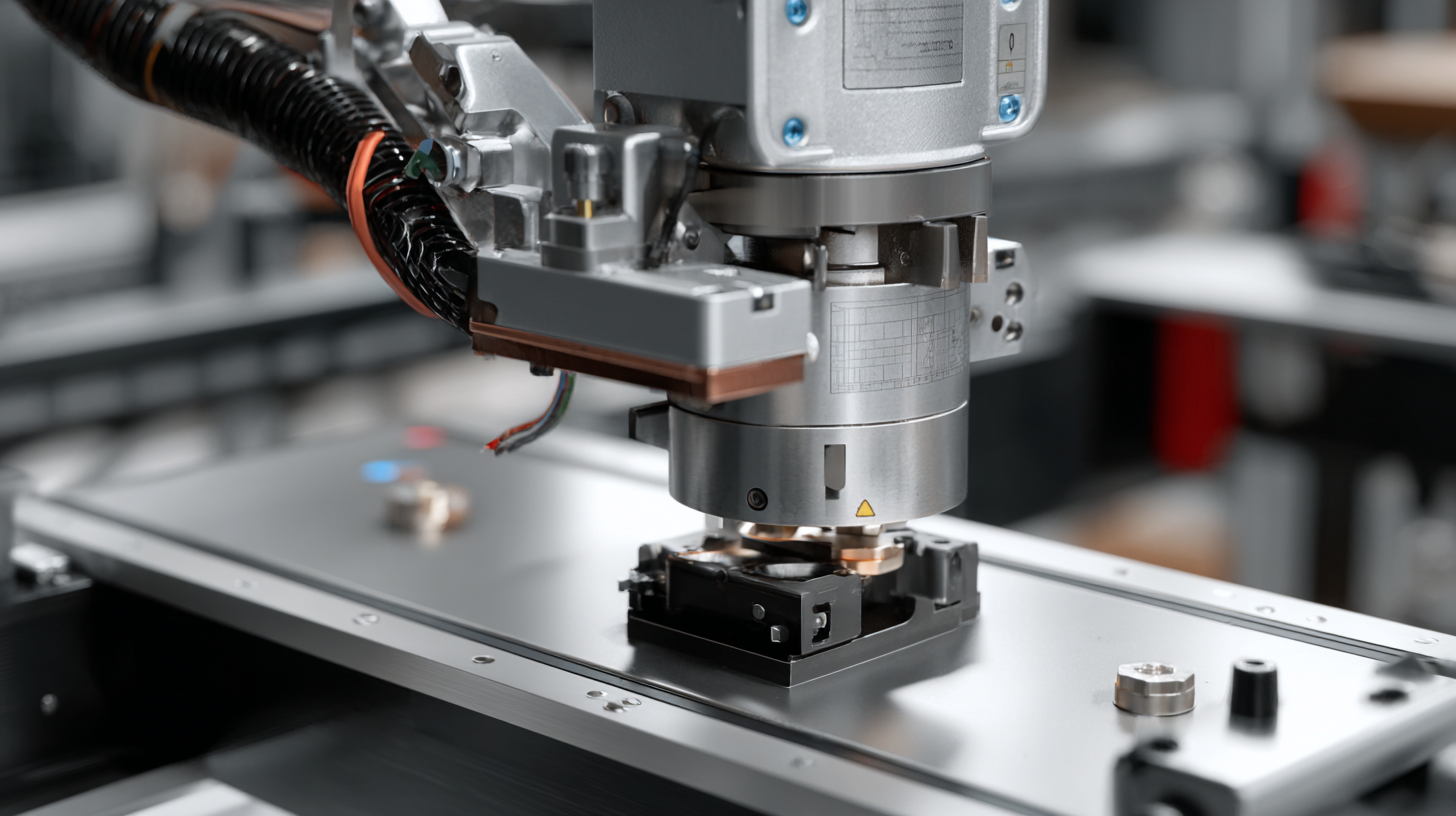
Furthermore, the adoption of advanced magnetic grip systems allows for more flexible and adaptive workflows. The ability to swiftly change gripping configurations addresses the growing demand for customization in production lines. A recent analysis by McKinsey & Company highlights that companies utilizing such technologies can expect up to a 40% reduction in product changeover times, further reinforcing the value of investing in innovative automation solutions. This shift not only maximizes productivity but also enhances overall safety by minimizing manual handling risks associated with conventional gripping methods.
Integrating Gripper Magnetic Solutions into Existing Manufacturing Systems
Integrating gripper magnetic technology into existing manufacturing systems presents a revolutionary opportunity for enhancing operational efficiency. Traditional gripping mechanisms may often falter in responsiveness and strength, leading to delays and increased cycle times. By incorporating magnetic solutions, manufacturers can achieve a more agile and precise handling of components, minimizing the risk of errors and maximizing throughput. This seamless integration allows businesses to leverage their current infrastructure while upgrading their capabilities to meet modern demands.
Furthermore, the adaptability of gripper magnetic systems ensures compatibility with various materials and production processes. These solutions can effortlessly switch between tasks, allowing for a versatile approach to manufacturing. The quick installation and reconfiguration of magnetic grippers facilitate smoother transitions between different product lines, thereby reducing downtime and maintaining continuous production flow. As a result, manufacturers stand to gain not only from the efficiency improvements but also from a reduction in operational costs, positioning them competitively in an ever-evolving industrial landscape.
Case Studies: Real-World Applications of Gripper Magnetic Technology
Gripper magnetic technology is revolutionizing industrial automation, demonstrated through diverse case studies that highlight its effectiveness across various sectors. For instance, in the realm of flexible robotic systems, recent advancements underscore the importance of adaptive gripping techniques, which enhance productivity and ensure precise handling of objects. This technology not only streamlines operations but also addresses the growing demand for versatility in manufacturing processes.
Tips: When implementing gripper magnetic technology in your automation setup, consider the specific requirements of your application, including load capacity and the types of materials being handled. Additionally, investing in training for your staff on the latest gripping systems will maximize efficiency and minimize potential operational issues.
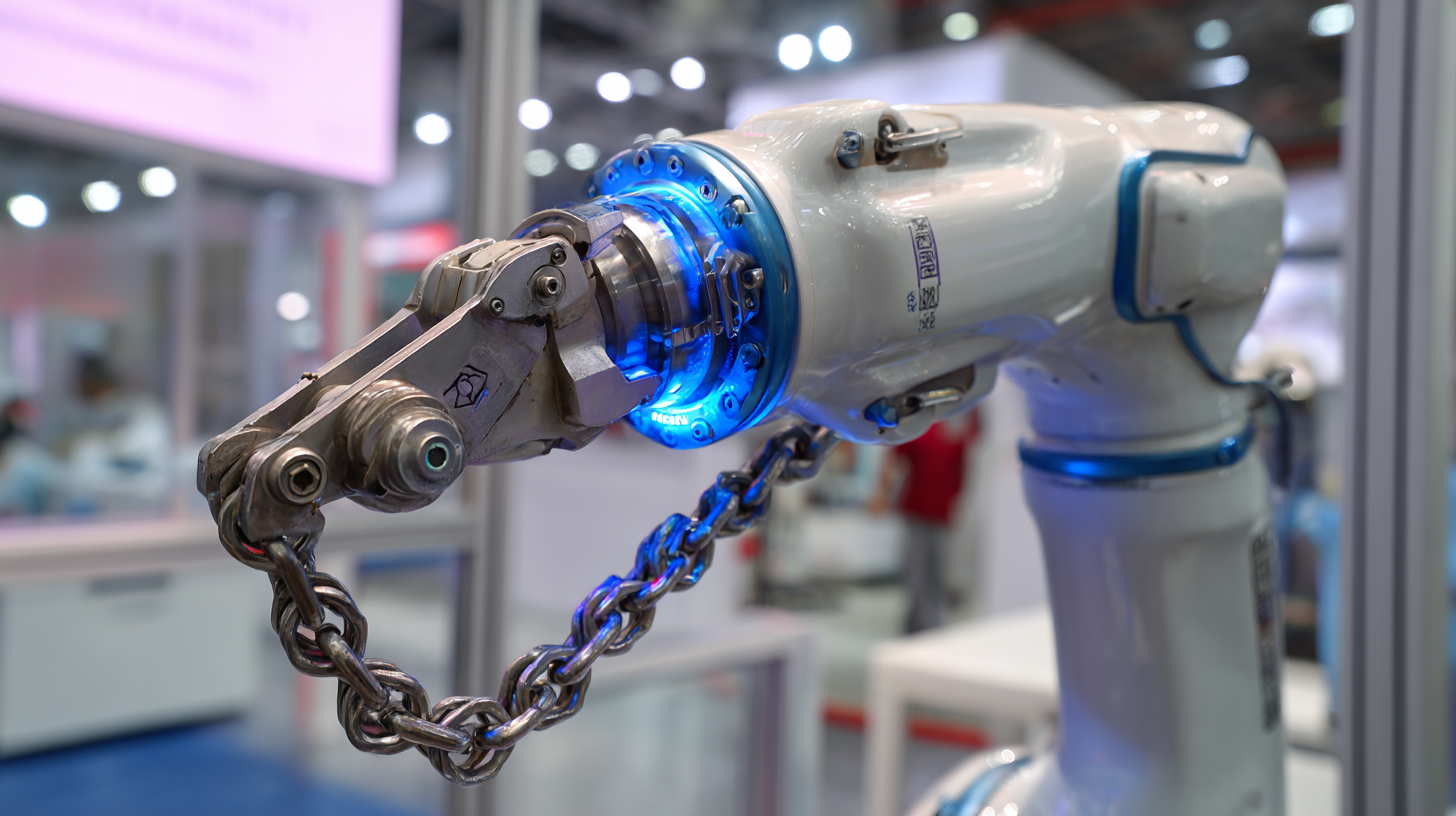
In fields like geriatric rehabilitation and medical microrobotics, adaptive gripping mechanisms have shown promise in improving patient outcomes. The International Federation of Robotics highlights these applications, showcasing how innovative gripping systems enable healthcare professionals to deliver non-invasive therapies effectively. The flexibility provided by magnetic technology in these contexts exemplifies its transformative impact on both industrial and medical applications.
Tips: Regular maintenance of your gripper systems is essential to sustain their performance. Also, explore modular design options that can easily adapt to changing needs in various operational environments.
Future Trends: The Next Generation of Gripper Magnetic Innovations
The future of industrial automation is being revolutionized by the next generation of gripper magnetic technologies, offering unprecedented advancements in efficiency and application versatility. As the Soft Magnetic Composite (SMC) market is projected to experience significant growth, reaching nearly USD 82 billion by 2035, it indicates a strong push towards integrating these innovative materials into automation processes. Such advancements not only facilitate smoother operations but also pave the way for more energy-efficient solutions that industries will increasingly rely on.
Tips for integrating new gripper magnetic technology include assessing your current automation needs and identifying specific applications where efficiency can be maximized. Collaborating with suppliers who specialize in SMC can provide valuable insights into the latest innovations and how they can best be implemented in your operations. Additionally, consider training your team on the benefits and uses of these technologies to fully unlock their potential and enhance operational productivity.
The integration of gripper magnetic innovations is set to redefine how industries approach automation. The focus on soft magnetic composites highlights a transformative trend in manufacturing processes, aimed not only at increasing output but also at reducing energy consumption—an essential factor as companies strive for sustainability and cost-effectiveness in a competitive market.
Unlocking the Power of Gripper Magnetic Technology: Transforming Industrial Automation with 25% Increased Efficiency - Future Trends: The Next Generation of Gripper Magnetic Innovations
| Technology Aspect |
Current Efficiency (%) |
Expected Increase (%) |
Future Trends |
| Magnetic Gripper Design |
85 |
25 |
Modular Designs |
| Energy Consumption |
40 |
15 |
Low Power Operating Modes |
| Load Capacity |
300 kg |
20 |
Smart Load Sensing |
| Response Time |
100 ms |
10 |
Real-time Feedback Mechanisms |
| Maintenance Frequency |
6 months |
50 |
Self-monitoring Systems |